

10 Situations You Didn’t Know Require a Biohazard Cleanup Company
When most people hear biohazard cleanup, they think of extreme situations: crime scenes, major accidents,...

When most people hear biohazard cleanup, they think of extreme situations: crime scenes, major accidents, or hazmat suits on TV. But in reality, biohazards appear in far more everyday scenarios than most homeowners, property managers, and business owners realize.
Biohazards are any biological materials that pose a risk to human health. That includes blood, bodily fluids, waste, decomposition, and certain contaminants that can’t be handled safely with standard cleaning methods.
Here are 10 situations that often require a professional biohazard cleanup company, even if they don’t look dangerous at first glance.
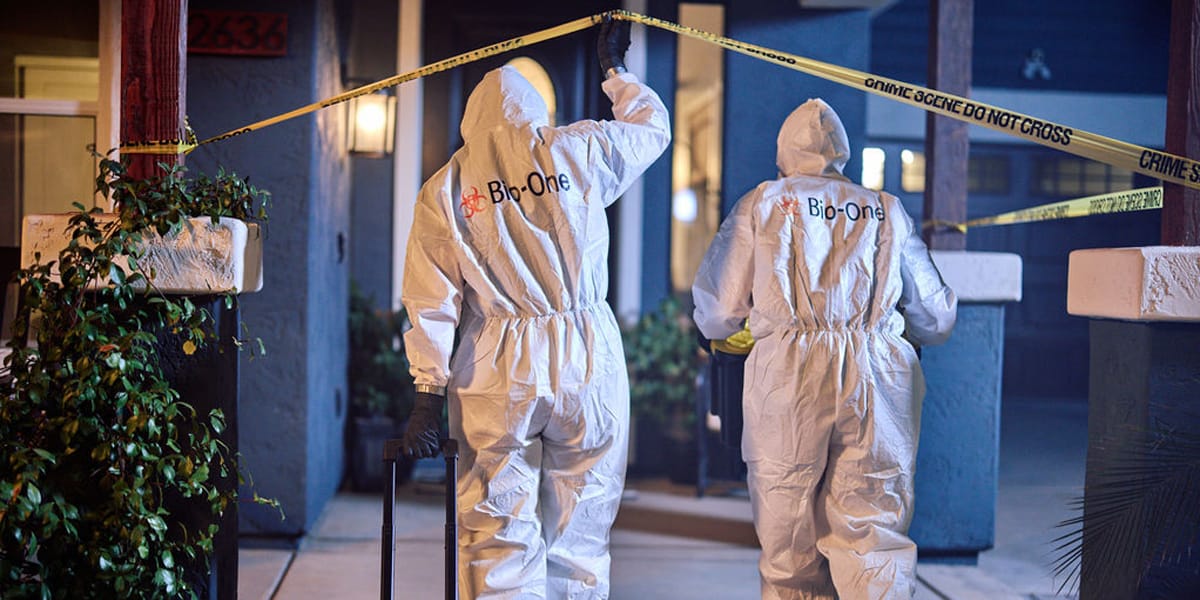
When someone passes away and isn’t discovered for hours or days, the surrounding environment can quickly become unsafe. As the body naturally breaks down, biological materials are released and can spread beyond the immediate area.
This contamination often seeps into:
What makes unattended deaths especially dangerous is that the damage is rarely limited to what’s visible. Odors, fluids, and airborne contaminants can travel, making professional containment and thorough decontamination critical before the space can be safely occupied again.
Blood and other bodily fluids can carry pathogens that remain infectious long after the surface appears dry. While a minor cut can often be handled with routine cleaning, larger spills or unknown exposure risks require professional attention.
Biohazard cleanup is often necessary when:
Without proper cleanup, microscopic traces can remain, posing ongoing health risks to anyone who later enters the space.
After a traumatic loss, the emotional toll on families, property owners, and loved ones is immense. The physical environment often reflects the trauma and requires specialized care to restore safety.
Professional biohazard cleanup provides:
This type of cleanup allows families and property managers to focus on healing and next steps, rather than being exposed to additional distress or health risks.
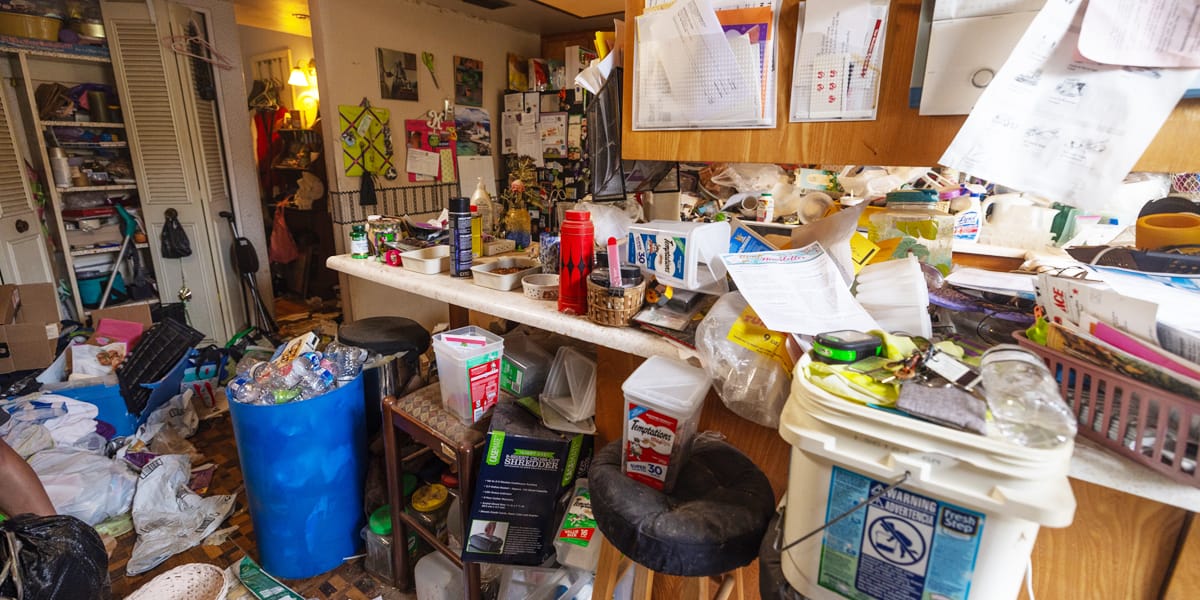
Not all hoarding situations involve biohazards, but many do. Over time, excessive accumulation can hide serious health concerns beneath layers of belongings.
Common biohazards in hoarding environments include:
When biological contamination is present, cleanup requires more than organizing or removal. It involves safe handling, disinfection, and careful restoration to return the space to livable conditions.
Rodents contaminate areas through droppings, urine, nesting materials, and damaged insulation. As these materials dry, particles can become airborne and spread throughout the structure.
Biohazard cleanup may be required when:
Proper cleanup helps reduce exposure risks and prevents lingering odors and contamination from spreading further.
Sewage backups introduce harmful bacteria and pathogens directly into living or working spaces. Even after the water recedes, contamination often remains.
Professional cleanup typically includes:
Attempting to clean sewage contamination without proper equipment can increase exposure risks and spread contamination to unaffected areas.
Properties impacted by drug use, whether residential, commercial, or vehicles, can contain hazardous residues and sharp objects that pose serious risks.
Biohazard cleanup is often necessary to:
These environments require careful handling to prevent accidental exposure and injury.
When animals pass away in walls, attics, crawl spaces, or yards, biological materials and odors can spread quickly. The longer the remains go undiscovered, the greater the contamination.
Cleanup may involve:
Even small animals can cause significant contamination when decomposition occurs in enclosed spaces.
Certain illness-related situations create biohazards when bodily fluids, waste, or contaminated surfaces are involved, especially in shared environments.
Biohazard cleanup may be needed in:
The goal is to reduce the risk of cross-contamination and ensure the space is safe for continued use.
Vehicles can become contaminated through accidents, medical transport, or exposure to bodily fluids. Because vehicles are enclosed spaces, contamination and odors can persist without professional treatment.
Biohazard vehicle cleanup typically includes:
This ensures the vehicle can be safely used again without ongoing exposure concerns.
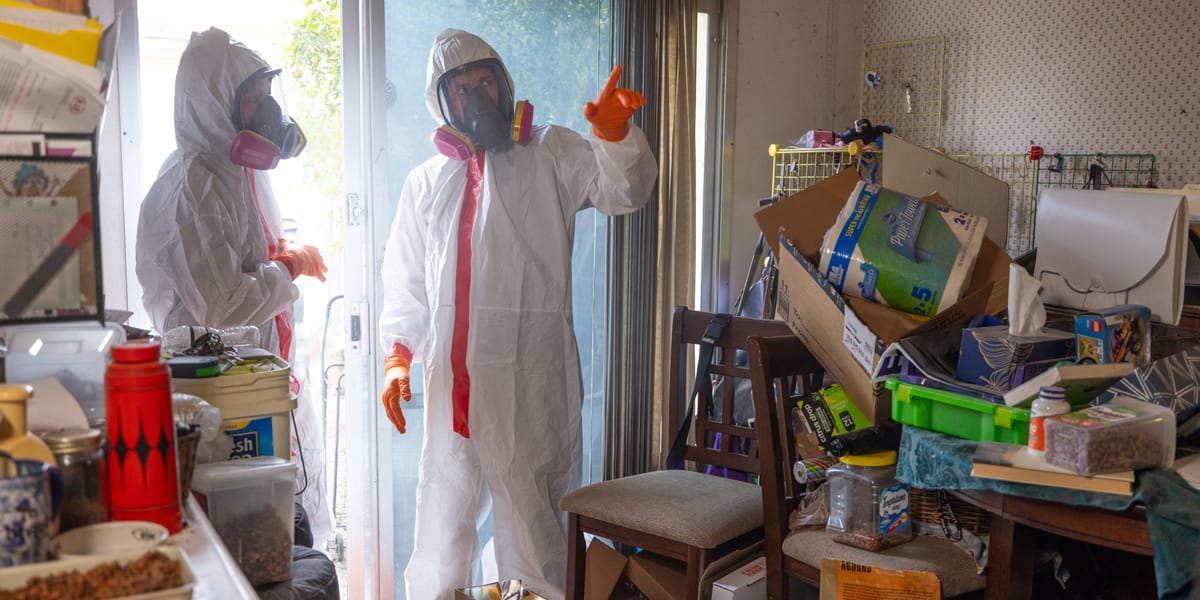
Biohazard situations are rarely limited to what you can see on the surface. While a space may look clean after basic cleaning, harmful contamination can remain hidden in places most people never think to check.
Biological materials can:
Without proper containment and decontamination, these hidden hazards can continue to pose risks to anyone who enters the space for days, weeks, or even months.
Professional biohazard cleanup companies like Bio-One are trained to address the entire environment, not just the obvious areas of concern.
Bio-One follows industry-recognized safety procedures designed to reduce exposure and prevent cross-contamination. Every scene is carefully assessed, and cleanup is performed in a controlled, methodical manner to protect everyone involved.
Standard cleaning tools aren’t designed to handle biological contamination. Professional biohazard cleanup uses specialized equipment and materials to safely remove affected items, disinfect surfaces, and address lingering odors that traditional cleaning methods can’t resolve.
Proper cleanup helps protect:
By addressing contamination at the source, professional cleanup reduces long-term risks and liability.
Many biohazard situations involve deeply personal or traumatic circumstances. Bio-One approaches every job with professionalism, privacy, and empathy, treating people and spaces with the respect they deserve.
Biohazard situations are overwhelming, especially when you’re not sure what steps to take or who to call. If something doesn’t feel right, it’s always better to ask questions before attempting cleanup on your own.
Bio-One responds with care, clarity, and urgency:
Whether you’re a homeowner, property manager, or business owner, Bio-One helps you understand the safest next step so you can make informed decisions during a difficult moment.
When life feels heavy and situations are complex, Bio-One is here to help you move forward, safely, respectfully, and with compassion.
A biohazard situation involves biological materials that can pose a risk to human health. This may include blood, bodily fluids, waste, decomposition, or contamination from animals, sewage, or certain illnesses. If standard cleaning methods aren’t enough to safely address the situation, professional biohazard cleanup may be needed.
While it may be tempting to handle cleanup on your own, many biohazard situations involve hidden contamination that isn’t visible to the naked eye. Without proper equipment, training, and safety protocols, DIY cleanup can increase exposure risks and leave harmful materials behind.
If a situation involves bodily fluids, strong odors, contamination that has soaked into surfaces, or uncertainty about health risks, it’s best to consult a professional. Bio-One can help assess the situation and explain the safest next steps.
No. Biohazard cleanup is often required for situations that aren’t widely recognized as hazardous, such as unattended deaths, sewage backups, hoarding environments with contamination, rodent infestations, or vehicle contamination.
Biohazards can spread beyond visible areas into carpets, padding, subflooring, walls, furniture, HVAC systems, and personal belongings. Professional cleanup focuses on addressing both visible and hidden contamination.
The time required depends on the extent of contamination and the size of the affected area. Some situations can be addressed in a day, while others may require multiple days to ensure the space is cleaned correctly and safe to occupy.
Yes. Odor treatment is often an essential part of biohazard cleanup. Persistent odors are usually a sign of underlying contamination, and professional cleanup addresses the source—not just the smell.
Yes. Bio-One understands that many situations are sensitive and personal. Cleanup is handled with discretion, professionalism, and respect for privacy, helping protect both individuals and property reputations.
Biohazard cleanup services are used by homeowners, families, property managers, landlords, businesses, law enforcement, healthcare facilities, and vehicle owners—anyone facing a biological contamination situation.
The most critical first step is to avoid disturbing the area and, if possible, limit access. Then contact a professional biohazard cleanup company, such as Bio-One, to discuss the situation and receive guidance on next steps.