
What Do You Do If Someone You Love Needs Help?
The first step to suicide intervention is recognizing warning signs. Once the signs have been...

Most people recognize the unmistakable musty smell of mold. It’s earthy, damp, and unpleasant—but the odor itself isn’t the real concern.
That smell is a warning sign.
When mold produces an odor, it’s telling you something important: There is active mold growth somewhere in your home, even if you can’t see it. And that means there’s moisture, decay, and potential health risks hiding behind the walls, under flooring, or inside HVAC systems.
Here’s why mold odors matter, what they reveal about your home’s condition, and why professional remediation is the safest way to restore your environment.
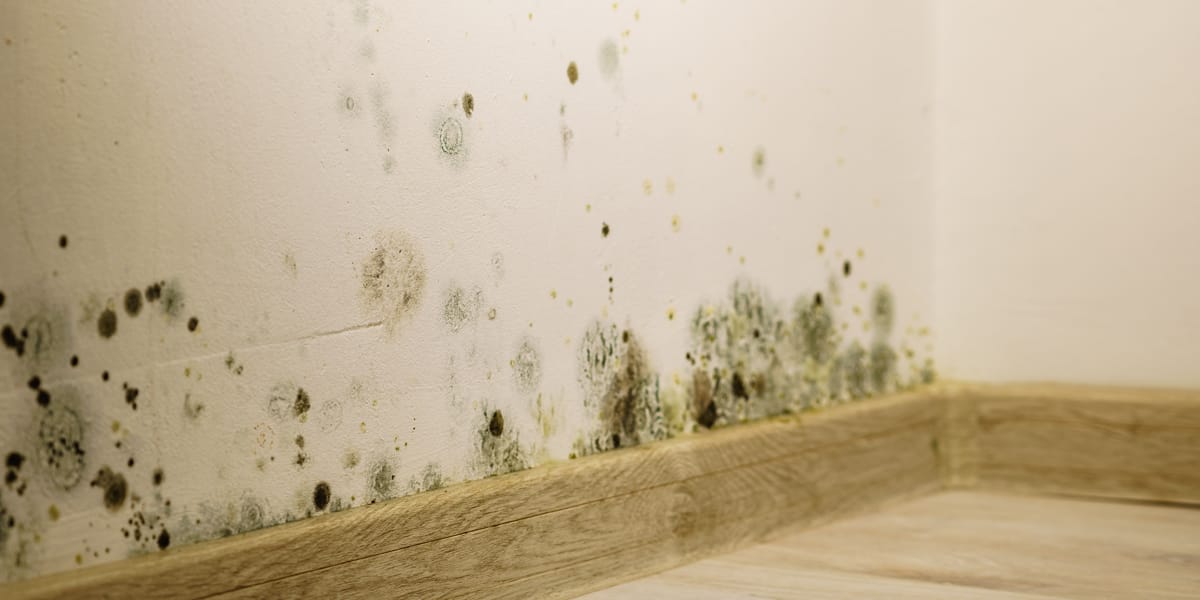
Most people describe mold odor as “old,” “wet,” or “stale”—but that musty scent is actually a chemical signal your home is trying to send you.
Mold smells musty because it releases MVOCs (Microbial Volatile Organic Compounds) as it grows, feeds, and spreads. These gases are natural byproducts of mold digesting the materials around it—things like:
As mold breaks these materials down, it produces a wide range of compounds; some alcohol-like, some similar to formaldehyde, and some with earthy or mushroom-like tones. Together, they form the unmistakable “mold smell.”
Common ways people describe these odors include:
What’s important to understand is this: Mold odor isn’t passive. It’s the smell of mold actively growing.
Mold doesn’t produce MVOCs when it’s dormant; it only emits these gases when:
This is why a musty odor is a critical warning sign. It means mold is alive and breaking down materials in your home right now. Even if you can’t see visible growth, the smell confirms biological activity happening behind the scenes—often behind walls, under flooring, or inside HVAC systems.
In short: If your home smells musty, mold is working around the clock—even if you can’t see it yet.

Mold doesn’t grow in dry conditions. If you smell mold, moisture is not just possible—it’s guaranteed. That musty odor is often the first clue that water is collecting where it shouldn’t be.
When mold is active, it’s because moisture is feeding it. A musty smell usually points to one or more of the following issues:
Even if everything looks dry on the surface, that odor means the moisture level is high enough to support mold growth behind the scenes.
Water doesn’t stay where it starts. It runs downward, wicks sideways, spreads through porous materials, and can remain trapped long after a spill or leak appears to be cleaned up.
By the time you smell mold, moisture has often already made its way into deeper layers of your home’s structure, including:
Because these areas aren’t visible, the odor becomes the only warning sign that something is happening out of sight.
A musty smell rarely appears right after water exposure. Mold needs time to grow—and that process can start within 24–48 hours of moisture contact.
So when the odor becomes noticeable, it’s often evidence that:
This is why a mold odor should never be ignored. It’s not just telling you something smells bad—it’s telling you your home has an ongoing moisture problem that needs immediate attention.
A mold odor is not a harmless nuisance—it’s a biological indicator. Mold only produces an odor when it is alive, feeding, and expanding. That musty scent is the byproduct of active microbial metabolism, not dormant spores sitting quietly on a surface.
Dormant spores can live for years without producing noticeable smells. They’re inactive, waiting for the right environment to wake up—usually when moisture appears.
So if you catch a musty odor, it’s not coming from dormant spores. It’s coming from mold that is:
A mold odor is essentially the live breath of a growing organism.
When mold is actively growing, a few things are happening simultaneously:
As long as moisture is present, mold will continue to eat, spread, and release odors. Ventilation or deodorizers might temporarily reduce the smell, but the growth itself keeps advancing.
A musty odor means the mold is in a reproductive stage. Colonies expand fast, often doubling in size when moisture levels are ideal.
Growing mold releases spores into the air as part of its natural cycle. These spores travel through:
By the time you smell mold, spore distribution is usually well underway.
Mold feeds on organic components such as:
This breakdown weakens the home’s structure, leading to soft walls, warped flooring, and long-term deterioration.
There is no scenario where mold odor exists without active mold growth behind it. A musty smell doesn’t mean:
It means the issue is happening right now and will continue until both the moisture source and the mold colony are eliminated.
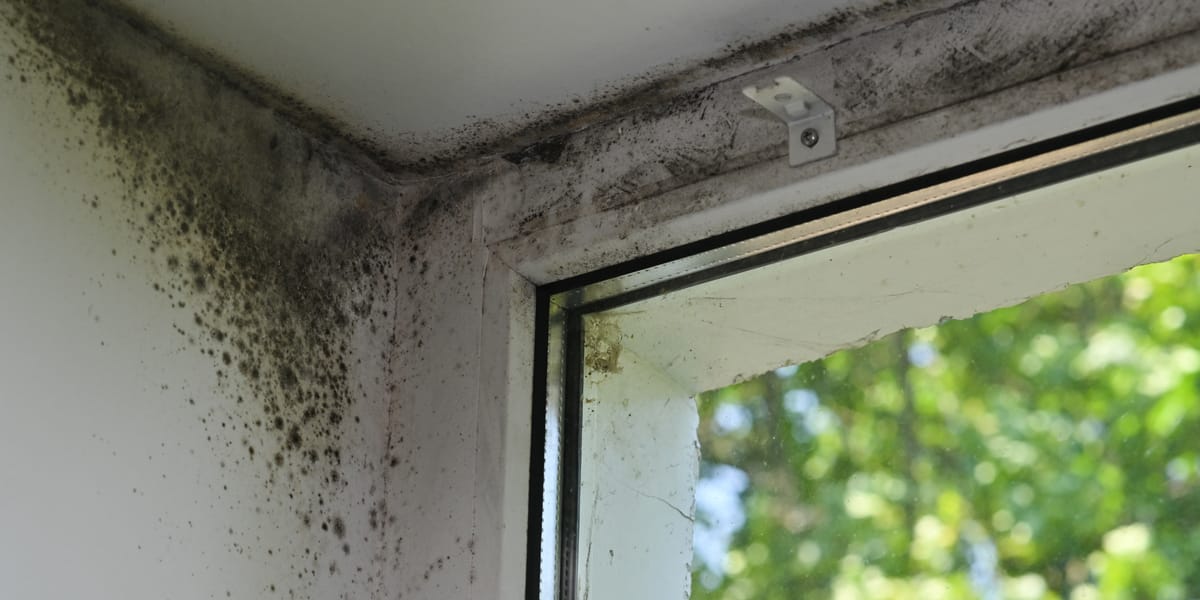
A musty odor doesn’t stay neatly contained to one room. When you smell mold, you’re inhaling the identical microscopic particles that mold releases as it grows spores, fragments, and MVOCs (microbial volatile organic compounds). Even if the colony itself is hidden behind a wall or under flooring, its byproducts circulate through your indoor air.
Over time, this exposure can take a toll on your health.
Many people start to notice symptoms that seem minor or unrelated at first. These can include:
Because these symptoms overlap with those of allergies or the common cold, people often overlook mold as the underlying cause.
Mold-related odors indicate that MVOCs and spores are already airborne. Breathing in these particles can irritate the respiratory system and trigger inflammation, especially for people who are already sensitive to indoor pollutants.
The effects can be more potent if:
Certain groups may develop severe reactions even with short-term exposure, including:
For these groups, mold exposure can lead to significant respiratory distress or recurring infections.
When mold grows behind walls, under floors, or inside HVAC systems, the concentration of spores in the air can increase rapidly. In these situations, people may begin to experience:
Because the odor often appears before visible mold does, the smell is an essential early warning sign that indoor air quality is declining.
Mold doesn’t usually start where you can see it. Long before it appears on walls, ceilings, or flooring, it grows quietly in the dark, hidden spaces of a home. That’s why your nose often detects mold before your eyes ever do.
Mold prefers environments that are:
These are the exact conditions found inside your home’s structural layers. As a result, you may smell mold even though the colony isn’t visible. Some of the most common hidden locations include:
These areas are out of sight but mold growth here still impacts the air you breathe.
Smell is often the earliest warning signal of mold because:
You may not see stain marks, discoloration, or growth until long after the odor appears. By the time mold becomes visible, the problem is usually much larger than it appears on the surface.
This is one of the most common concerns homeowners share when they call Bio-One. They notice:
… but no visible mold anywhere.
That’s because the odor escapes more easily than the mold itself. Think of it like smoke from behind a closed door—you smell it before you ever see flames.
Locating hidden mold requires:
Bio-One technicians are trained to find mold growth wherever it's hiding, even in places homeowners would never think to check.
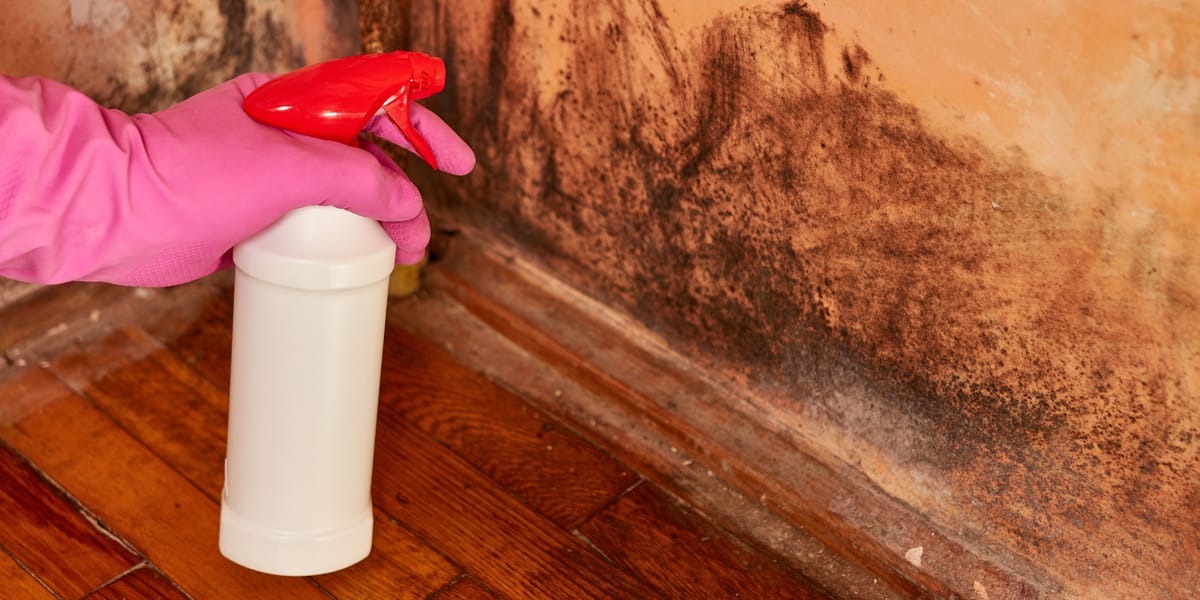
When a musty odor appears, it’s tempting to reach for air fresheners, candles, or DIY odor-eliminating sprays. Some homeowners even invest in ozone machines or deodorizers, hoping to “neutralize” the smell.
But here’s the truth: Anything that only hides the odor is hiding the problem, too.
Mold odor is a symptom of active growth and moisture. If you only mask the smell, the mold continues spreading—quietly, invisibly, and often aggressively.
Temporary solutions such as:
… might make the space smell better, but they do nothing to stop:
In fact, masking the odor often delays action—giving the mold more time to cause damage.
When you cover up mold odor instead of treating the source, you risk:
Mold feeds on drywall, wood, insulation, carpet backing, and adhesives. The longer it grows, the more material it destroys.
Even if you can’t smell the mustiness anymore, spores continue circulating in your indoor air impacting breathing and overall indoor air quality.
Covering up the odor doesn’t stop mold’s biological activity; the irritation to your eyes, sinuses, and lungs continues or intensifies.
If moisture is the issue, and it always is, ongoing water exposure can lead to rot, sagging floors, warping, or soft walls.
What might begin as a small, localized mold colony can grow into an issue requiring demolition, material removal, and full restoration.
Masking odors may create the illusion of a cleaner environment, but the mold is still there quietly releasing spores, damaging your home, and affecting your health. The musty smell isn’t the root of the issue. It’s the warning sign. Ignoring or covering it up allows the real problem to grow unchecked.

A musty odor is your home’s way of saying, “Something is wrong.” But the smell itself isn’t the problem; it’s the symptom. True remediation must address several interconnected issues:
Bio-One’s approach is designed to handle all of these layers, not just the odor. Our team combines advanced tools, industry-certified procedures, and years of hands-on experience to eliminate the mold, restore your environment, and prevent the issue from returning.
Here’s what that looks like:
Before any mold can be removed, we must find why it’s growing. Moisture issues often hide behind walls, under flooring, or inside HVAC systems.
We don’t guess. We identify the exact source because unless the moisture problem is resolved, mold will come back.
Once moisture is identified, we locate the mold colony and put immediate containment measures in place.
Containment is crucial. Without it, mold could spread through air currents, vents, and foot traffic into previously clean areas.
Bio-One follows strict professional standards, including EPA, OSHA, and IICRC guidelines. This ensures mold is not only removed, but removed safely.
We do not take shortcuts. Every step protects your health, your home, and your long-term safety.
Mold isn’t just on surfaces, it’s in the air. Using commercial-grade HEPA filters and air scrubbers, Bio-One removes:
This not only clears the musty smell but also improves indoor air quality so you can breathe comfortably again.
Even after structural removal, microscopic spores can settle on nearby surfaces. Bio-One performs detailed cleaning and disinfection to ensure every affected area is treated, including:
This step ensures the colony doesn’t regrow and removes any lingering contamination.
You never have to mask it. You never have to live with it. When the moisture is resolved and the mold is removed correctly, the musty odor goes away on its own because the source no longer exists. Bio-One restores both your environment and your peace of mind.
Mold produces musty odors when it’s actively growing and releasing MVOCs, gases created as it breaks down materials like wood, drywall, and insulation. If you smell mold, it means growth is happening right now.
Yes. Most mold begins in hidden areas such as wall cavities, under flooring, behind cabinets, or inside HVAC systems. Odor often appears weeks or months before mold becomes visible.
A mold odor confirms that moisture is present whether from a leak, high humidity, condensation, or poor ventilation. Mold cannot grow without moisture, so the smell is a guaranteed warning sign.
Yes. Musty smells indicate that spores and MVOCs are already airborne. Breathing them in can cause headaches, coughing, sinus issues, fatigue, and worsen asthma or allergies.
Children, older adults, pregnant individuals, people with allergies or asthma, and anyone with a weakened immune system may experience stronger reactions or more severe symptoms from mold exposure.
Odor molecules travel through the air much faster than mold can break through surfaces. By the time you see mold, the colony is usually well established behind walls or flooring.
No. Masking the odor doesn’t address moisture or remove mold. It can delay proper treatment and allow the colony to grow, leading to more damage and higher remediation costs.
Bio-One uses moisture meters, thermal imaging, air sampling, and detailed inspection techniques to find hidden mold growth—even in places homeowners rarely think to check.
Bio-One identifies the moisture source, contains the affected area, safely removes mold and contaminated materials, filters the air, disinfects surfaces, and provides guidance to prevent future growth.
Yes. When the moisture problem is fixed and the mold colony is fully removed, the odor disappears naturally because the source no longer exists—no masking necessary.